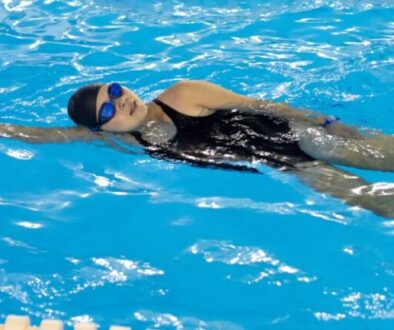
Swimming outside the pool feels different. Open water swimming in a calm lake, a quiet river, or even a reservoir out of town has something special. It’s not the same as a tiled lane with clear rules.
But that freedom also means it’s worth thinking a bit before getting in. A little planning helps turn a good swim into something you’ll want to do again. It’s also a great way to support your health and mental well-being.
Choosing an Open Water Swimming Spot
Not every lake or river is the same. One spot might have clear water and an easy entrance, another might hide rocks, mud, or patches of weeds that catch you off guard.
It helps to look around first. Check where you can get in and out safely. Notice if there are boats, fishermen, or other swimmers. Even taking a short walk along the shore gives you a better idea. Locals often know what’s safe and what’s not — and asking never hurts.
Many places even have signs or boards with safety notes or suggested routes. It’s worth reading them before jumping in.
Going with Someone for Open Water Swimming
Swimming alone might seem calm and quiet, but it carries more risk. Having someone with you makes a big difference. It feels safer and often more comfortable knowing another person is nearby.
A friend can help notice anything unexpected, agree on the route in advance, or simply make the swim more pleasant. If going solo is the only choice, letting someone know your plans and when you expect to return is a small but important precaution.
Thinking About Gear
Open water usually needs a little more planning than the pool. A wetsuit can help with warmth and floating. Bright swim caps aren’t just for looks — they help people see you better.
Good goggles matter too. Murky or darker water can make it tricky to see. For longer swims, a tow float isn’t only for visibility; it gives you something to rest on if you need a break.
Some swimmers also bring a small dry bag for keys or phones if they’re swimming near shore. Little extras like that can make the whole trip easier.
Watching the Weather
Conditions during open water swimming can change quickly. Even a light wind can make waves. Water that feels okay at your ankles might feel much colder once you’re in for a while.
Checking the forecast is worth it. It helps decide if today’s the right day for that route or if it’s better to wait. Watching the sky while you’re swimming matters too. Storms can roll in faster than expected.
Knowing Your Own Limits
Open water swimming isn’t the same as doing lengths in a pool. There’s no wall to hold, no line on the bottom to follow. It can feel bigger and harder to judge.
Starting with shorter distances near the shore is normal. It’s not a sign of weakness — it’s how people get used to it safely. Over time, it gets easier to know what feels right and how far is comfortable.
Some people like to swim with groups or clubs that focus on open water. It’s a good way to learn tips and feel safer.
Staying Oriented in the Water
It’s easier than it seems to end up going off course. Picking out something on shore — a tree, building, or buoy — helps keep you on track.
Lifting your head now and then doesn’t ruin the swim. It’s just about checking in, making sure you’re still headed where you want to go. Over longer swims, this small habit can save a lot of energy.

Getting Used to the Temperature
Cold water can surprise you. Walking in slowly gives your body a moment to get used to it. That pause helps avoid that tight, panicky feeling some swimmers get with sudden cold.
Standing there, letting the water rise bit by bit, often makes it easier to settle and breathe before starting. Taking a moment to relax before pushing off makes the whole experience feel calmer.
A Few Final Words About Open Water Swimming
Swimming outside has its own appeal. It’s quieter, more open, and feels different from a pool. But it does ask for some respect. Looking at where you’re going, thinking about what to bring, and knowing what feels safe turns it from something stressful into something worth remembering. In darker water, good goggles help you stay calm and oriented.
At ROYAL SWIM, it’s not just about doing laps. It’s about helping people feel comfortable and ready, so when the chance comes to try open water, it’s something to enjoy — not something to worry about.